Tourism and Peacebuilding Future 2026
1st International Conference on Tourism and Peacebuilding Future
Exploring Tourism, Dialogue, Reconciliation,
and Sustainable Development
Academy of Hospitality, Tourism and Wellness
4–5 December 2026
Announcement
Conference Overview
In a world increasingly shaped by geopolitical tensions, social fragmentation, and cultural misunderstandings, tourism is once again being critically re-examined not only as an economic activity, but as a potential catalyst for peacebuilding, dialogue, and reconciliation. While tourism has long been celebrated as a “passport to peace” and a “vital force for peace,” contemporary realities demand a more nuanced, critical, and evidence-based examination of its true capacity to contribute to peace at local, regional, and global levels.
The International Conference “Tourism and Peacebuilding Future” aims to provide a rigorous academic and professional platform for exploring tourism’s role in peacebuilding, acknowledging both its transformative potential and its inherent limitations. Moving beyond idealized narratives, the conference emphasizes peace-sensitive, ethically grounded, and context-aware tourism approaches, particularly relevant in conflict-affected, post-conflict, politically sensitive, and culturally diverse destinations.
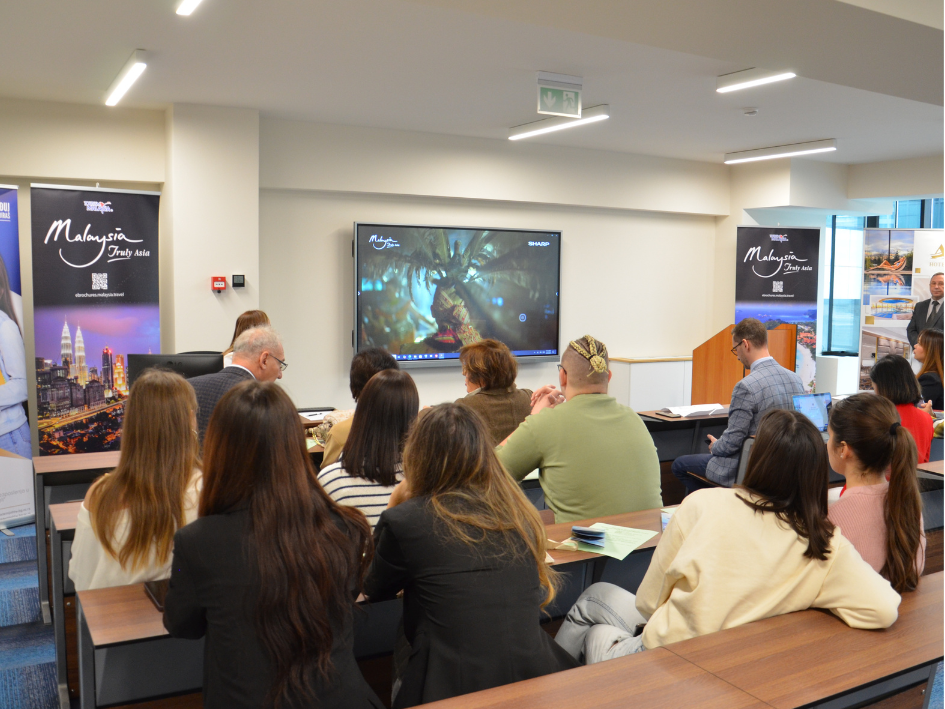
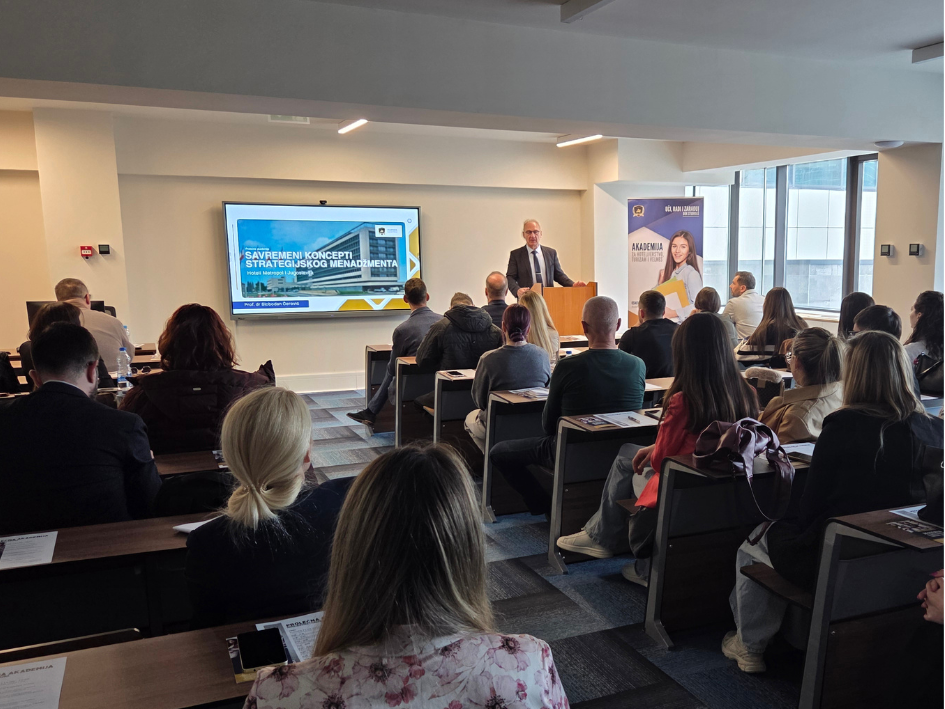
The inaugural conference International Conference “Tourism and Peacebuilding Future 2026”, hosted at the Academy of Hospitality, Tourism and Wellness in Belgrade, Serbia is positioned at the crossroads of tourism studies, peace and conflict studies, international relations, cultural diplomacy, sustainability, and destination governance. Belgrade and the wider Balkan region, marked by a complex history of coexistence, conflict, reconciliation, and regeneration, offer a uniquely meaningful context for launching this scholarly dialogue.
Participants will also have the opportunity to explore Belgrade, one of Southeast Europe’s most dynamic tourism destinations, through networking and cultural activities organised alongside the scientific programme.
Conference Aims and Objectives
The conference seeks to:
- Critically assess tourism's role in peacebuilding, reconciliation, and conflict transformation.
- Examine the ethical, political, and structural conditions under which tourism can contribute to peace.
- Bridge theory and practice by connecting academic research with policy, industry, and community perspectives.
- Advance interdisciplinary dialogue on peace-sensitive, sustainable and responsible tourism development.
- Explore future-oriented frameworks for tourism as a tool for peace, resilience, and social cohesion.
Organization
Organised by:
- Tourism Peacebuilding Future
- International Institute for Religious Tourism and Pilgrimage
Hosted by:
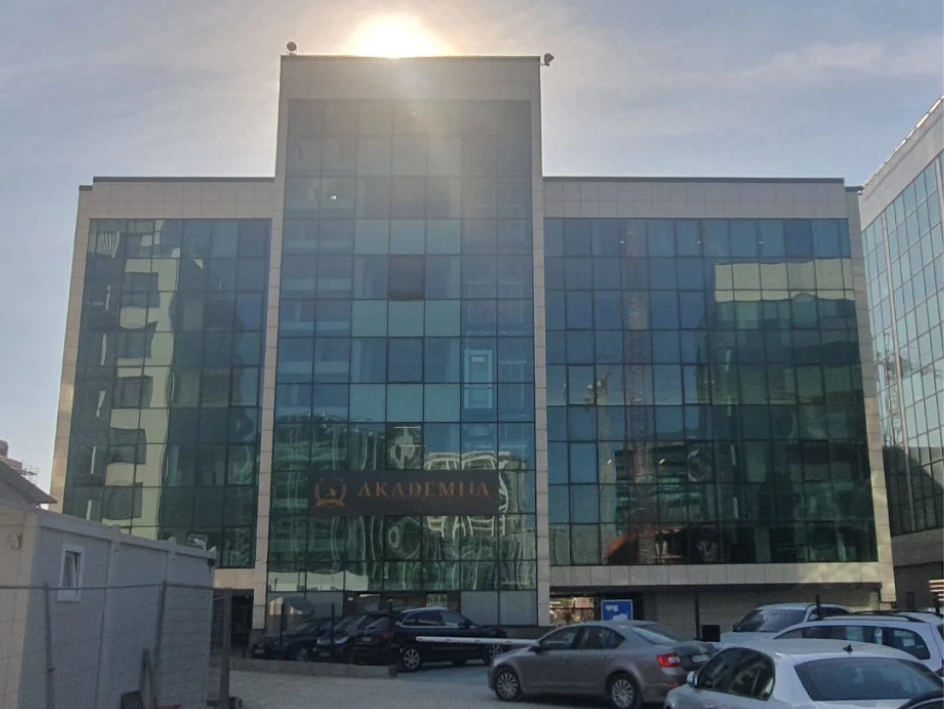
Academy of Hospitality, Tourism and Wellness, Tošin Bunar 179đ, Belgrade, Serbia
Organising Committee:
- Danijel Pavlović, Academy of Hospitality, Tourism and Wellness, Serbia
- Kevin Griffin, Technological University, Dublin, Ireland
- Razaq Raj, Leeds Beckett University, United Kingdom
Local Organising Committee:
Adrijana Vuković, Academy of Hospitality, Tourism and Wellness, Serbia
Diana Dukanac, Academy of Hospitality, Tourism and Wellness, Serbia
Dragana Jakovljević, Academy of Hospitality, Tourism and Wellness, Serbia
Milan Novović, Academy of Hospitality, Tourism and Wellness, Serbia
Milena Stojić, Academy of Hospitality, Tourism and Wellness, Serbia
Slaviša Vučurević, Academy of Hospitality, Tourism and Wellness, Serbia
Slobodan Adžić, Academy of Hospitality, Tourism and Wellness, Serbia
Slobodan Čerović, Academy of Hospitality, Tourism and Wellness, Serbia
Sonja Zlatanov, Academy of Hospitality, Tourism and Wellness, Serbia
Stanislav Čerović, Academy of Hospitality, Tourism and Wellness, Serbia
Stefan Kovljanin, Academy of Hospitality, Tourism and Wellness, Serbia
Valentina Stanojević, Academy of Hospitality, Tourism and Wellness, Serbia
Vesna Ćurčič, Academy of Hospitality, Tourism and Wellness, Serbia
Zorica Đurić, Academy of Hospitality, Tourism and Wellness, Serbia
Scientific Committee:
Aleksandra Dragin, Department of Geography, Tourism and Hotel Management, Faculty of Sciences, University of Novi Sad
Anđelina Marić Stanković, State University of Novi Pazar, Serbia
Bojan Zečević, Faculty of Economics, University of Belgrade. Serbia
Carlos Fernandes, Polytechnic of Viana do Castelo, Portugal
Carmen Bizzarri, European University of Rome, Italy
Daniel H. Olsen, Brigham Young University, USA
Danijel Pavlović, Academy of Hospitality, Tourism and Wellness, Serbia
Darius Liutikas, Lithuanian Centre for Social Sciences, Lithuania
Dimitrios Mylonopoulos, University of West Attica, Greece
Dino Bozonelos, California State University, San Marcos, USA
Dragica Gatarić, Faculty of Geography, University of Belgrade, Serbia
Fabio Carbone, University of Northampton, UK
Jovan Popesku, International Institute for Peace Through Tourism (IIPT) Serbia Chapter
Kevin Griffin, Technological University, Dublin, Ireland
Luisa Errichiello, Consiglio Nazionale delle Ricerche (CNR), Istituto di Studi su Mediterraneo (ISMed), Italy
Marija Bratić, University of Nis, Faculty of Sciences, Serbia
Milan Novović, Academy of Hospitality, Tourism and Wellness
Nour Farra Haddad, Lebanese University, Lebanon
Piera Buonincontri, Consiglio Nazionale delle Ricerche (CNR), Istituto di Studi su Mediterraneo (ISMed), Italy
Polyxeni Moira, University of West Attica, Greece
Razaq Raj, Leeds Beckett University, United Kingdom
Roberto Micera, University of Basilicata, Potenza, Italy
Sanja Kovačić, Department of Geography, Tourism and Hotel Management, Faculty of Sciences, University of Novi Sad
Slobodan Adžić, Academy of Hospitality, Tourism and Wellness, Serbia
Slobodan Čerović, prof. emeritus, Academy of Hospitality, Tourism and Wellness, Serbia
Slobodan Unković, prof. emeritus, Academy of Hospitality, Tourism and Wellness, Serbia
Sonja Zlatanov, Academy of Hospitality, Tourism and Wellness, Serbia
Tatjana Pivac, Department of Geography, Tourism and Hotel Management, Faculty of Sciences, University of Novi Sad
Uglješa Stankov, Department of Geography, Tourism and Hotel Management, Faculty of Sciences, University of Novi Sad
Vanja Pavluković, Department of Geography, Tourism and Hotel Management, Faculty of Sciences, University of Novi Sad
Vitor Ambrósio, Higher Institute for Hotel and Tourism Studies, Portugal
Živana Krejić, Academy of Hospitality, Tourism and Wellness, Serbia
Zorica Đurić, Academy of Hospitality, Tourism and Wellness, Serbia
KEYNOTE SPEAKERS
The conference will be enriched by internationally recognised experts in tourism and peacebuilding.
Nour Farra Haddad
Lebanese University, Lebanon
Read biography
Nour Farra Haddad is a senior researcher and professor at the Lebanese University. She holds a PhD in Religious Anthropology, a Master's degree in Anthropology, and two Bachelor's degrees in Archaeology and Sociology, in addition to a Tourist Guide diploma from the Ministry of Tourism. She has published numerous academic articles and is the author and co-editor of Peace Journeys as well as two touristic guides: Eco-Lebanon and Wiz Kids. She also developed Holy Lebanon, the world's first interreligious tourism application. With a strong background in business consultancy and extensive experience in tourism development across the Middle East, she now manages her own travel consultancy company, NEOS.
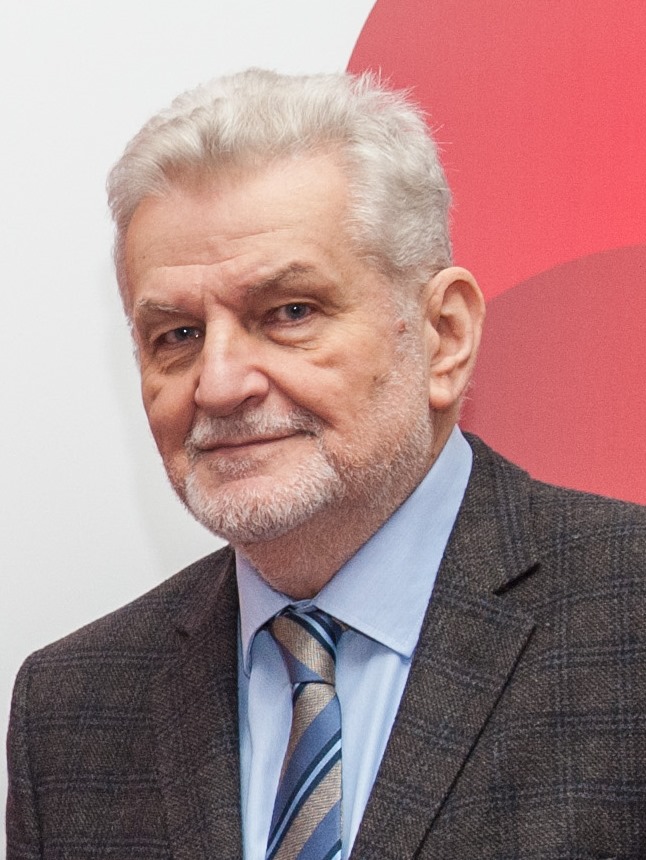
Jovan Popesku
International Institute for Peace Through Tourism (IIPT) Serbia Chapter
Read biography
Jovan Popesku, full University professor, brings more than 40 years of experience in tourism education and tourism business to his position as founder of the Institute for Peace through Tourism, Serbian Chapter of IIPT. He earned his Bachelor, Master, and Ph.D. degree at the Faculty of Economics, University of Belgrade. He was professor at Singidunum University, Faculty of Tourism and Hospitality Management, Belgrade. He is the founder and president of the Centre for Responsible and Sustainable Tourism Development, Belgrade, Serbia (CenORT). He was the first Director-General of the National Tourism Organization of Serbia. His fields of activity include tourism destination management, sustainable tourism management, rural and ecotourism, as well as tourism marketing. He was the author and supervisor of domestic and international projects primarily related to tourism destination management and sustainable tourism.
Conference Themes and Tracks
2026 Conference Theme
Exploring Tourism, Dialogue, Reconciliation, and Sustainable Development
This theme invites contributors to reflect on the gap and the possible bridges between normative ideals of tourism as a force for peace and the empirical realities observed across destinations and regions worldwide.
Suggested Conference Tracks and Topics
Submissions may address, but are not limited to, the following thematic areas:
1. Tourism and Peacebuilding: Theoretical and Conceptual Perspectives
- Tourism as a tool for peacebuilding: Reality or utopia?
- Peace-sensitive tourism and ethical frameworks
- Conceptual links between tourism, peace studies, and conflict transformation
- The contact hypothesis revisited: Conditions, limits, and critiques
2. Tourism in Conflict, Post-Conflict, and Divided Societies
- Tourism in post-conflict recovery and reconciliation
- “Phoenix” tourism and social renewal
- Dark tourism versus peace-oriented heritage interpretation
- Managing contested narratives, memory, and trauma
3. Political Dimensions of Tourism and Peace
- Tourism diplomacy, soft power, and international relations
- Political stability, insecurity, and destination resilience
- Tourism governance in geopolitically sensitive regions
- Sanctions, travel restrictions, and tourism flow in times of conflict
4. Intercultural Dialogue, Religion, and Peace Through Tourism
- Religious tourism and pilgrimage as spaces of intercultural encounter
- Interfaith tourism and peacebuilding
- Host-guest relations, stereotypes, and prejudice reduction
- Tourism as a platform for intercultural education and empathy
5. Sustainable and Community-Based Tourism for Peace
- Sustainable tourism as a structural condition for peace
- Community engagement and local agency in peacebuilding tourism
- Tourism, SDGs, and peace promotion
- Inclusive tourism development and social justice
- Tourism and human rights
- Equity, inclusion, and justice in tourism development
6. Education, Youth, and Mobility for Peace
- Educational tourism and global citizenship
- Erasmus+, exchange programs, and peacebuilding
- Youth mobility and intercultural learning
- Tourism education and peace competence
7. Case Studies, Best Practices, and Innovative Models
- Empirical case studies from diverse regions
- Comparative international perspectives
- Innovative governance and partnership models
- Measuring tourism's impact on peace and social cohesion
- Measurement frameworks and indicators of tourism impact on peace
8. Futures, Innovation, and Digital Dimensions of Tourism and Peace
- Scenario planning and foresight in peace tourism
- Innovation in conflict-sensitive tourism models
- Role of digital media, AI, and platforms in shaping narratives of peace and conflict
- Smart governance and data-driven peace tourism
Important Dates
10 October 2026
Abstract submission deadline
15 October 2026
Notification of acceptance
15 November 2026
Conference registration deadline
4-5 December 2026
Conference date
15 March 2027
Full paper submission (optional): submission for publication in the International Journal of Religious Tourism and Pilgrimage Special Issue.
Who Should Attend?
The conference welcomes academics, researchers, doctoral candidates, postdoctoral scholars, policymakers, destination managers, tourism practitioners, peacebuilding professionals, NGOs, tourism stakeholders, representatives of international organisations, and students interested in the intersection of tourism, peacebuilding, sustainability, and intercultural dialogue. We particularly encourage interdisciplinary and international participation. The list above should not be considered restrictive. The conference welcomes participation from all individuals and organizations whose work contributes to advancing knowledge and practice at the intersection of tourism and peacebuilding.
The conference also offers valuable networking opportunities through social and cultural events designed to facilitate international academic and professional collaboration.
Types of Contributions
The conference welcomes:
- Full research papers
- Conceptual and theoretical papers
- Empirical studies (qualitative, quantitative, mixed methods)
- Policy and practice-oriented contributions
- Case studies and best practice examples
Interdisciplinary and cross-sector perspectives are especially encouraged.
Conference Awards
To encourage and recognise outstanding scholarly contributions, the conference will present the following awards:
Best Conference Paper Award
An award for the paper that makes the strongest scholarly contribution to the field of tourism and peacebuilding.
Best PhD Paper Award
A special award recognising the best contribution by a doctoral researcher.
Awards will be based on the quality, originality, methodological rigour, and contribution of the paper to the field of tourism and peacebuilding. Award recipients will be announced during the Conference Closing Session.
Presentation Format
The conference will be held in person at the Academy of Hospitality, Tourism and Wellness, Belgrade, Serbia.
Accepted contributions will be presented in thematic sessions. Each presentation will be allocated up to 12 minutes, followed by 3 minutes of discussion and questions.
Further details regarding the conference programme and presentation schedule will be communicated to registered participants prior to the conference.
Submission Guidelines
Abstract
- Abstract length: up to 300 words
- Language: English (British spelling preferred)
Each submission should include:
- Title of the paper
- Author name(s) and institutional affiliation(s)
- Contact email
- 4-5 keywords
- Abstract (max. 300 words)
- 2-3 key references (optional but recommended)
SUBMISSION PROCESS
Submit your paper via email: tpfconference@akademijahtw.bg.ac.rs
Abstracts will be published in TPF Conference Book of Abstracts.
Papers presented at the conference will be considered for publication in a Special Issue of the International Journal of Religious Tourism and Pilgrimage (Scopus Q1, Open Access, no publication fees), subject to the journal's editorial standards and double-blind peer review process. Authors of selected papers will be invited to submit extended versions of their contributions for consideration in the Special Issue.
Conference Fees
Regular Registration Fee
€250
- Welcome Coffee and Reception
- Participation in all conference sessions
- Conference materials
- Coffee breaks and refreshments
- Gala Dinner
- Certificate of Participation
Accompanying Partner Fee
€175
- Welcome reception
- Coffee breaks and refreshments
- Gala Dinner
Payment details and registration procedures will be provided to accepted participants upon completion of the registration process.
Optional Networking Event
An optional Dinner and Networking Evening and Guided Sightseeing Tour of Belgrade will be organised on 5 December 2026. Participation is voluntary, subject to a sufficient number of participants, and the cost is not included in the conference registration fee. Further information will be provided to registered participants.
Preliminary Programme
4 December 2026
- Registration
- Welcome Coffee and Reception
- Opening Ceremony
- Keynote Presentations
- Parallel Scientific Sessions
- Gala Dinner (included in the conference registration fee)
5 December 2026
- Scientific Sessions (if required based on the number of accepted submissions)
- Conference Closing Session
- Guided Sightseeing Tour of Belgrade*
- Optional Conference Dinner and Networking Evening*
* Participation in the Guided Sightseeing Tour of Belgrade and the Conference Dinner and Networking Evening is voluntary, subject to a sufficient number of participants, and the cost is not included in the conference registration fee. Further details and participation costs will be provided to registered participants.
CONFERENCE LOCATION
The conference will be held in Belgrade, Serbia, at the Academy of Hospitality, Tourism and Wellness.
Belgrade and the wider Balkan region represent a historically complex and symbolically rich context for discussions on tourism, conflict, reconciliation, and peacebuilding, and the crossroads of cultures.
Academy of Hospitality, Tourism and Wellness
The Academy of Hospitality, Tourism and Wellness is a specialised higher education institution located in Belgrade, Serbia, dedicated to educating future professionals and leaders in hospitality, tourism, wellness, destination management, and related service industries. Through its study programmes, industry partnerships with “A” Hotels, applied research activities, and international cooperation initiatives, the Academy contributes to the advancement of tourism knowledge and professional practice in Serbia and the wider region.
The Academy maintains strong links with tourism and hospitality stakeholders, including hotels, tourism organisations, tourism businesses, and professional associations, providing students and researchers with opportunities to engage directly with contemporary industry challenges and innovations. As host of the inaugural International Conference on Tourism and Peacebuilding Future, the Academy aims to foster international academic dialogue and interdisciplinary collaboration on tourism, peacebuilding, sustainability, and intercultural understanding.
Located in New Belgrade, one of the city’s most modern and accessible districts, the Academy offers convenient access to Belgrade Nikola Tesla Airport, the city centre, business districts, cultural attractions, and major transportation hubs.
About Belgrade
Belgrade, the capital of the Republic of Serbia, is one of Europe's oldest continuously inhabited cities and a unique meeting point of cultures, religions, and civilizations. Situated at the confluence of the Danube and Sava rivers, the city has historically served as a bridge between East and West, reflecting centuries of cultural exchange, coexistence, conflict, and renewal.
Today, Belgrade is recognized as one of Europe’s most dynamic urban destinations, combining rich historical heritage with a vibrant contemporary cultural scene. Visitors can explore landmarks such as the Belgrade Fortress and Kalemegdan Park, St. Sava Temple, Skadarlija Bohemian Quarter, the Museum of Yugoslavia, and numerous galleries, museums, and cultural institutions.
The city is renowned for its hospitality, lively café culture, diverse gastronomy, and vibrant events calendar. Belgrade’s experience of historical transformation, post-conflict recovery, regional cooperation, and urban regeneration makes it a particularly meaningful venue for scholarly discussions on tourism, reconciliation, dialogue, resilience, and peacebuilding.
Experience Belgrade
Where history meets modern Europe
TRAVEL INFORMATION
How to Get to Belgrade
By Air
Belgrade Nikola Tesla Airport (BEG) is Serbia’s main international airport and serves numerous direct and connecting flights from major European and international destinations.
Approximate flight times to Belgrade:
- Vienna - 1 hour
- Budapest - 1 hour
- Rome - 1 hour 30 min
- Munich - 1 hour 20 min
- Zurich - 1 hour 40 min
- Paris - 2 hours 20 min
- London - 2 hours 45 min
- Istanbul - 1 hour 40 min
- Dubai - 5 hours
- New York - 10 hours
From the Airport to the Conference Venue
By Taxi
The Academy of Hospitality, Tourism and Wellness is located approximately 10–15 minutes by taxi from Belgrade Nikola Tesla Airport, depending on traffic conditions.
By Public Transport
Several public bus lines connect the airport with New Belgrade and the city centre. Detailed information and recommended routes will be provided closer to the conference date.
By Car
The Academy is easily accessible from all major city highways and is located in New Belgrade, close to the E-75 motorway and the city’s main transport corridors.
Local Transportation
Belgrade offers an extensive public transportation network consisting of buses, trams, and trolleybuses. Taxi services and ride-hailing applications are widely available throughout the city.
*MAPA*
Accommodation options:
Information on recommended hotels and accommodation options in different price categories will be provided.
Why Attend?
- Engage with leading international scholars working in tourism, peacebuilding and reconciliation.
- Present your research in an interdisciplinary international environment.
- Build new academic and professional networks.
- Explore publication opportunities in the International Journal of Religious Tourism and Pilgrimage (Scopus Q1).
- Experience Belgrade and the Western Balkans as a unique setting for discussing tourism, reconciliation, resilience and peacebuilding.